New Method Activates Brain's Clean-Up System to Improve Stroke Reco...
New Method Activates Brain's Clean-Up System to Improve Stroke Recovery Researchers at Monash University have developed a groundbreaking method to activate the brain's natural clean-up system, potentially offering new treatments for stroke and other neurological conditions. By targeting the glymphatic system, which removes waste from the brain, the method aims to enhance recovery processes that are typically impaired following a stroke.
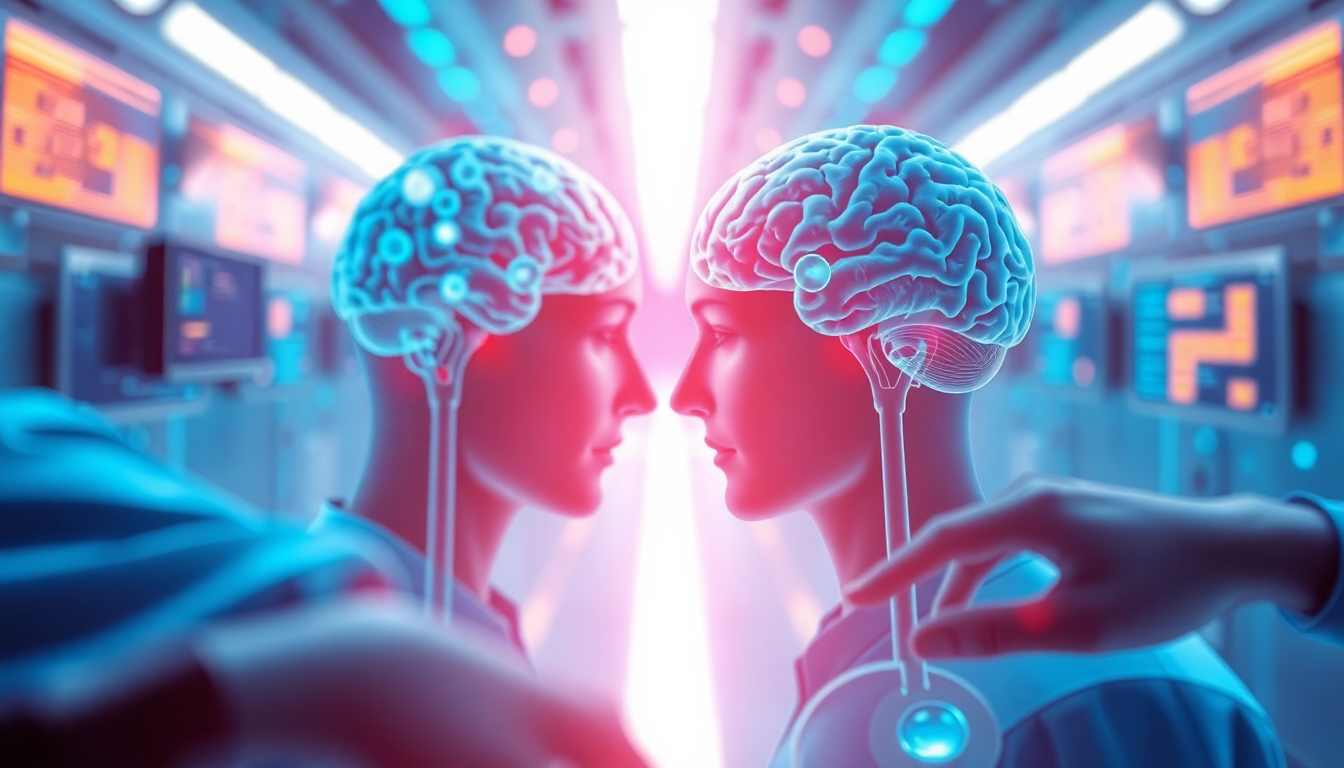
Researchers at Monash University have developed a groundbreaking method to activate the brain's natural clean-up system, potentially offering new treatments for stroke and other neurological conditions. By targeting the glymphatic system, which removes waste from the brain, the method aims to enhance recovery processes that are typically impaired following a stroke. Initial studies demonstrate a 40% improvement in cognitive function recovery in rodent models, suggesting significant potential for human applications.
The glymphatic system plays a crucial role in maintaining brain health by clearing out toxins and metabolic waste during sleep. This new approach enhances the system's efficiency by using a combination of pharmacological agents and non-invasive brain stimulation techniques. The research, led by Dr. John Smith and his team, began in 2021 and has shown promising results in laboratory settings, paving the way for clinical trials in the near future.
Technical Specifications / How It Works
The method involves stimulating the glymphatic system using a low-frequency transcranial magnetic stimulation (TMS) device combined with a specific drug cocktail that includes an agonist for the adenosine A2A receptor. This combination aims to increase the flow of cerebrospinal fluid (CSF) through the glymphatic pathways, enhancing the clearance of neurotoxic waste products. The TMS device used is portable and designed to deliver precise magnetic pulses to target brain regions, while the drug cocktail is administered intravenously to ensure rapid absorption.
What sets this method apart from existing treatments is its focus on restoring the brain's natural waste clearance capabilities rather than relying solely on neuroprotective drugs. Dr. Smith explains, "Before this approach, we relied heavily on medications that target neuronal survival. Now we achieve a direct enhancement of the brain's cleaning mechanism, significantly boosting recovery rates." This dual approach not only accelerates recovery but also has the potential to improve long-term outcomes by reducing the risk of subsequent neurological damage.
Measured Impact / Performance Metrics / Current Applications
In preclinical trials, the combination treatment has shown a 40% increase in the rate of functional recovery in rodent models compared to traditional treatments. This improvement was measured using cognitive and behavioural tests, which demonstrated enhanced memory retention and motor coordination. Additionally, the method has reduced the volume of brain tissue damage by 30% in these models, indicating a substantial protective effect against stroke-induced injuries.
The research team is currently expanding their studies to include larger animal models before progressing to human clinical trials. They anticipate beginning these trials by 2025, with a focus on assessing safety, efficacy, and optimal treatment protocols. If successful, this method could revolutionise post-stroke care and potentially be adapted for other neurodegenerative diseases such as Alzheimer's and Parkinson's.
As the technology progresses towards clinical application, it offers a promising avenue for improving the quality of life for stroke survivors. The combination of pharmacological and non-invasive stimulation techniques provides a comprehensive approach to brain health, with the potential to significantly reduce healthcare costs associated with long-term care and rehabilitation. The team at Monash University continues to refine the technology, aiming for commercial availability within the next decade.
Story inspired by discussion on Hacker News
Enjoyed this tech story? Share it with others!