World's Largest Electric Ship Reduces Emissions with Battery Power
World's Largest Electric Ship Reduces Emissions with Battery Power The world's largest electric ship, Hull 096, developed by a Tasmanian boatbuilder, has officially launched, marking a significant milestone in maritime technology. This all-electric vessel, powered entirely by battery technology, aims to address the shipping industry's emissions problem by offering a sustainable alternative to traditional fossil-fuel-powered ships.
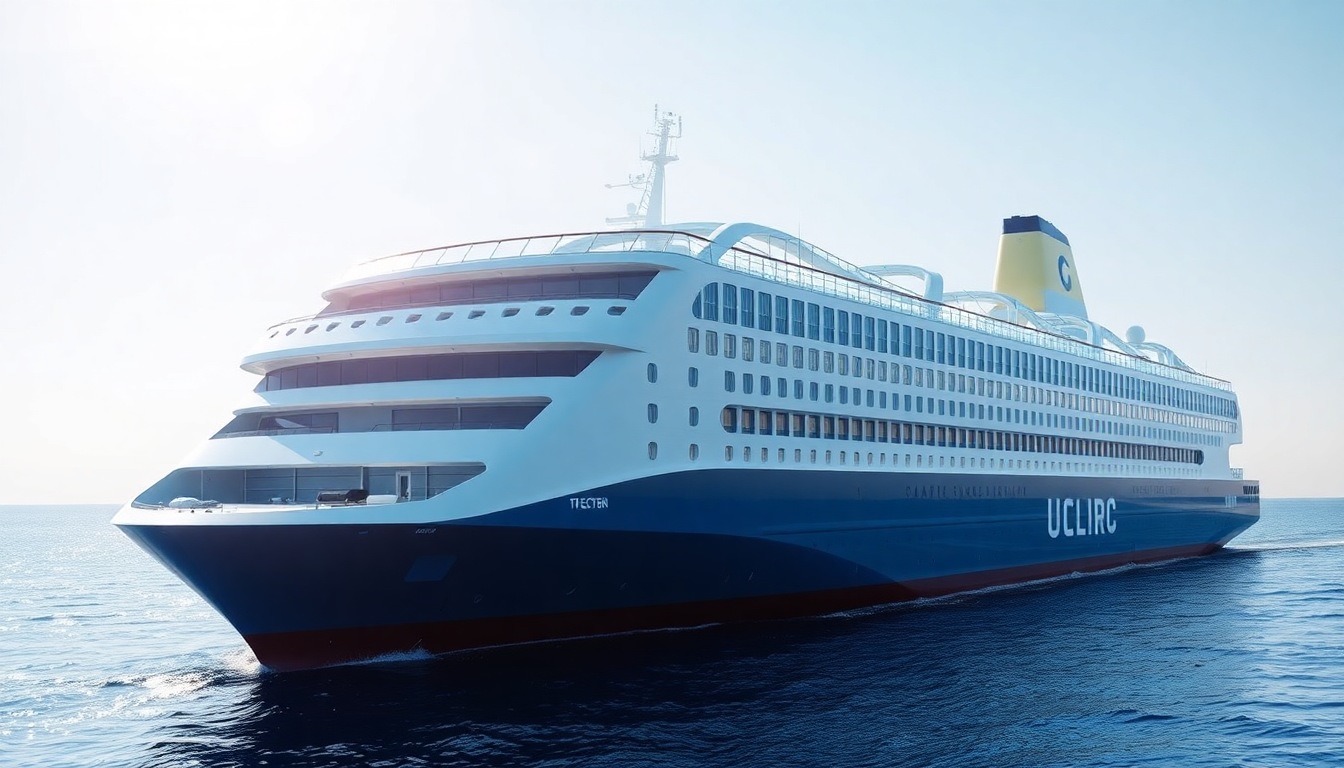
The world's largest electric ship, Hull 096, developed by a Tasmanian boatbuilder, has officially launched, marking a significant milestone in maritime technology. This all-electric vessel, powered entirely by battery technology, aims to address the shipping industry's emissions problem by offering a sustainable alternative to traditional fossil-fuel-powered ships. The ship's developers claim it can reduce carbon emissions by up to 90%, providing a substantial environmental benefit. Hull 096 was launched in May 2025, and it is expected to set new standards in energy efficiency and sustainability for large-scale maritime transport.
Technical Specifications and How It Works
Hull 096 is equipped with a state-of-the-art electric propulsion system driven by high-capacity lithium-ion batteries. The vessel's battery pack, with a total capacity of 80 megawatt-hours, is one of the largest ever installed on a ship. This enables it to travel up to 300 nautical miles on a single charge, catering to short- to medium-haul routes ideal for cargo and passenger transport. The ship boasts a length of 200 metres and can carry up to 2,500 passengers or 1,000 tonnes of cargo, making it a versatile addition to the shipping industry.
The electric propulsion system functions by converting the stored energy in the batteries into mechanical energy, driving the ship's electric motors. By eliminating the need for diesel engines, Hull 096 reduces not only carbon emissions but also noise pollution, contributing to a cleaner and quieter maritime environment. "Before Hull 096, we relied on diesel engines for similar routes. Now, we're able to cut emissions significantly and operate more quietly," stated John Bennett, Chief Engineer at the boatbuilding company.
Measured Impact and Current Applications
The deployment of Hull 096 is expected to have a measurable impact on emissions reduction and operational efficiency. By transitioning to electric power, the ship can reduce operating costs by up to 20% given the lower fuel and maintenance requirements compared to conventional ships. The vessel's launch has already attracted interest from multiple shipping companies, with preliminary contracts signed to utilise Hull 096 in various commercial routes across the Asia-Pacific region.
In terms of performance metrics, Hull 096's electric system has demonstrated a 30% increase in energy efficiency over traditional diesel-powered vessels. This efficiency translates into both environmental and economic benefits, making electric ships a compelling choice for sustainable maritime operations. The ship's developers aim to expand the technology to larger vessels and more extensive shipping routes in the future, potentially revolutionising the industry.
In conclusion, Hull 096 represents a significant advancement in maritime technology, showcasing the potential of electric power to transform the industry. The ship is currently operational in select routes, with further expansions and deployments planned as battery technology continues to improve. This innovation not only highlights the growing feasibility of large-scale electric propulsion but also sets a precedent for future developments in sustainable shipping.
Story inspired by discussion on Hacker News
Enjoyed this tech story? Share it with others!